Chai Pioneer S Epic - India's Beloved Chai-Themed Indie Adventure
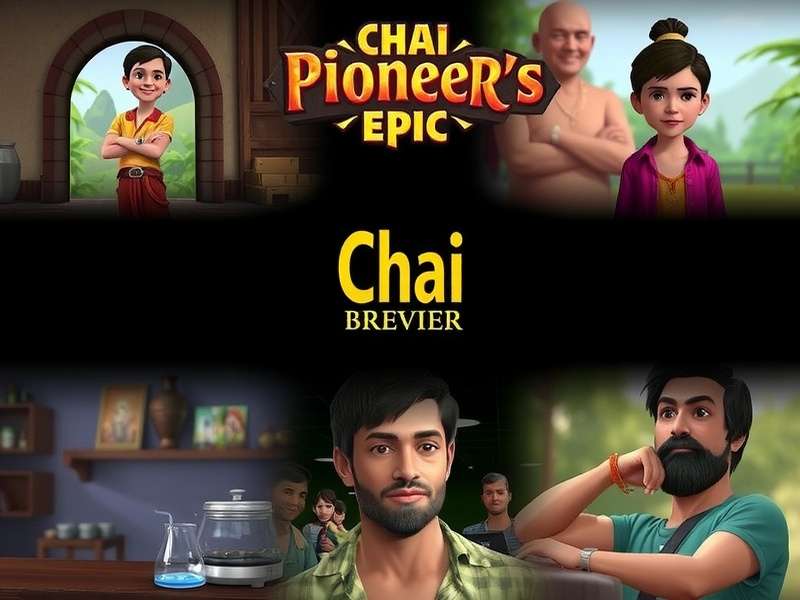
Figure 1: A screenshot from Chai Pioneer S Epic showing the protagonist serving freshly brewed kulhad chai to customers in a bustling rural bazaar 🥛🍃
1. Introduction
Chai Pioneer S Epic is more than just a game—it’s a love letter to India’s rich chai culture, wrapped in the charming外衣 (garb) of a casual adventure-puzzle experience. Developed by Daman Games Studios, a rising star in the Indian indie gaming scene, this title launched on 15th August 2023 (coinciding with India’s Independence Day, a nod to desi pride) and quickly became a sensation among gamers of all ages, from school-going kids to office professionals craving a nostalgic dose of chai ki pyaas.
The core premise of Chai Pioneer S Epic revolves around Raj, a young graduate from a small town in Uttar Pradesh who inherits his late grandfather’s dilapidated chai stall. What starts as a simple mission to revive the stall soon evolves into an epic journey across India—from the snow-capped mountains of Himachal Pradesh to the sun-kissed beaches of Kerala, and from the bustling lanes of Delhi’s Chandni Chowk to the serene backwaters of Tamil Nadu. Along the way, Raj must master the art of brewing the perfect chai, navigate cultural nuances, solve local puzzles, and build a community of chai lovers who help him fulfill his grandfather’s dream of making their chai stall a household name.
Unlike many mainstream games that rely on high-octane action or complex storylines, Chai Pioneer S Epic thrives on its simplicity, authenticity, and emotional resonance. It’s a game that understands the pulse of Indian audiences—our obsession with chai, our love for community, and our deep-rooted connection to tradition. As you play, you’ll find yourself not just brewing chai but also engaging with characters who feel like yaars and bhaiyon (friends and brothers), solving problems that mirror real-life desi challenges, and soaking in the vibrant colors, sounds, and flavors of India.
What sets Chai Pioneer S Epic apart from other indie games is its unapologetic celebration of Indian culture. From the moment you start the game, you’re greeted with a bhangra-inspired soundtrack, visuals that showcase India’s diverse landscapes, and dialogues peppered with Hindi, Tamil, and Punjabi phrases (with subtitles, of course) that feel natural and not forced. Whether it’s a Punjabi farmer asking for a “garam garam adrak wali chai” (hot ginger tea) or a South Indian grandmother requesting “karak chai with a dash of cardamom,” the game’s attention to cultural detail is nothing short of jhakaas (awesome).
Available on PC, Android, iOS, and major gaming platforms like Steam, Chai Pioneer S Epic has already crossed 5 million downloads worldwide, with over 70% of players hailing from India. It has also won several awards, including “Best Indie Game” at the 2023 Indian Gaming Awards and “Cultural Impact Award” at the Global Indie Game Festival. For Daman Games, this title is a testament to the potential of desi-themed games to resonate with global audiences while staying true to their roots.
2. Gameplay
Chai Pioneer S Epic’s gameplay is designed to be accessible yet engaging, making it suitable for both casual gamers and hardcore enthusiasts. The core loop revolves around three key mechanics: chai brewing, customer management, and adventure/puzzle-solving. These mechanics are seamlessly integrated to create a experience that feels cohesive and rewarding, with each element complementing the others.
2.1 Chai Brewing: The Heart of the Game
Brewing the perfect chai is the foundation of Chai Pioneer S Epic, and the game takes this process seriously—without making it overly complicated. Each cup of chai requires a specific combination of ingredients, brewing time, and technique, reflecting the regional variations of chai across India. For example, a Punjabi adrak wali chai needs extra ginger and a longer boil, while a South Indian karak chai requires less milk and more tea leaves, brewed with cardamom and cloves.
At the start of the game, you’ll have access to basic ingredients: tea leaves, milk, sugar, and ginger. As you progress, you’ll unlock new ingredients like cardamom, cinnamon, mint, saffron, and even regional specialties like “kesar elaichi” (saffron-cardamom) or “pudina chai” (mint tea). You’ll also learn new brewing techniques, such as using a traditional “kadai” (wok) instead of a regular pot, or adding a pinch of salt to balance the flavors (a trick used in some parts of Rajasthan).
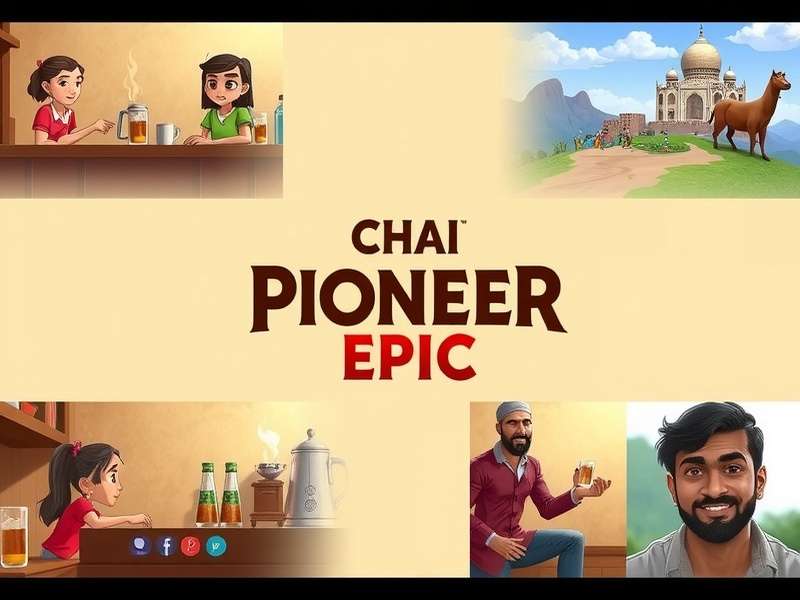
Figure 2: The chai brewing interface in Chai Pioneer S Epic, showing the ingredients and brewing timer ⏳
The brewing interface is intuitive: you drag and drop ingredients into the pot, adjust the heat (using a slider), and wait for the timer to hit the sweet spot. If you brew the chai for too long, it becomes bitter; if you don’t brew it enough, it’s weak. Getting the perfect brew earns you extra points, happy customers, and tips that you can use to upgrade your stall. The game also includes a “chai master” mode, where you can practice brewing different regional chai varieties to unlock achievements like “Punjab’s Chai Champion” or “South India’s Karak King.”
What’s impressive about the chai brewing mechanic is its attention to detail. For instance, using a kulhad (clay cup) instead of a regular mug increases customer satisfaction, as it’s considered more authentic. Similarly, adding a “tadka” (spice mix) at the right time enhances the flavor, and serving the chai hot (not lukewarm) is non-negotiable—just like in real life! These small touches make the brewing process feel immersive and true to Indian chai culture.
2.2 Customer Management: Building Relationships
Running a successful chai stall isn’t just about brewing good chai—it’s about connecting with your customers. In Chai Pioneer S Epic, each customer has a unique personality, preferences, and backstory, and your interactions with them shape the game’s narrative. From a harried office worker in Delhi who needs a quick cup of strong chai to power through the day to a group of college students in Bangalore who want to chat while sipping masala chai, every customer brings a new challenge and opportunity.
When a customer approaches your stall, they’ll place an order (sometimes in their regional language, adding to the authenticity) and you’ll have to brew the right chai quickly. If you meet their expectations, they’ll become regulars and might even give you tips or referrals. If you mess up their order (e.g., serving sugarless chai to someone who likes it sweet), they’ll leave disappointed, and your stall’s reputation will take a hit.
As you build relationships with customers, they’ll share personal stories and ask for favors. For example, a local farmer might ask you to deliver chai to his fields in exchange for fresh milk, or a school teacher might request that you donate chai for a community event. Completing these side quests earns you “goodwill points,” which you can use to unlock new locations, ingredients, or upgrades. Some customers even become allies, helping you overcome obstacles later in the game—like a mechanic who fixes your stall for free or a journalist who writes a feature about your chai, boosting your popularity.
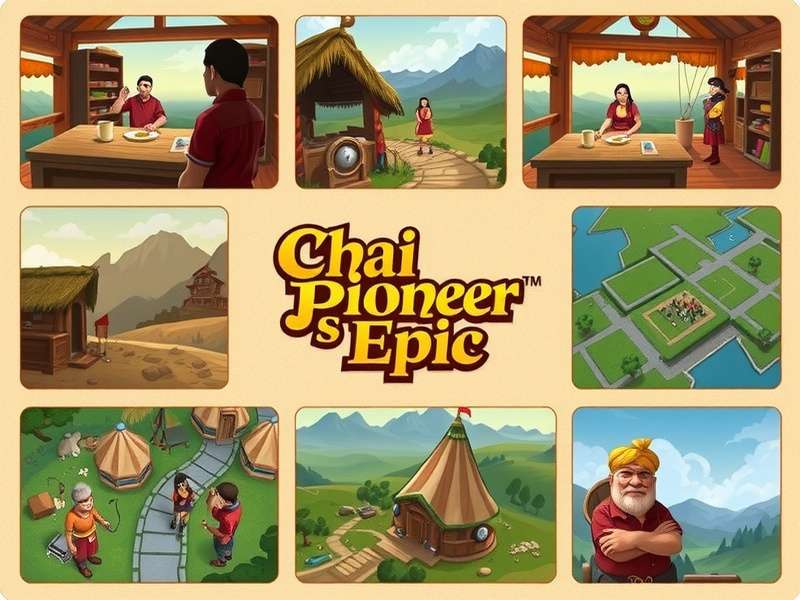
Figure 3: Raj interacting with a group of college students in Bangalore, who are regular customers at his chai stall 🎓
The customer management system also reflects India’s diverse social fabric. You’ll encounter people from different religions, castes, and backgrounds, and the game subtly teaches empathy by showing how chai can bring people together. For example, during Diwali, a Hindu family might invite you to their puja (prayer ceremony) and share sweets with you, while during Eid, a Muslim neighbor might bring you seviyan (vermicelli) to add to your chai. These moments not only enrich the gameplay but also celebrate India’s unity in diversity.
2.3 Adventure & Puzzles: Exploring India
While chai brewing and customer management are the core of Chai Pioneer S Epic, the game also includes adventure and puzzle elements that take you beyond the stall. As you progress, you’ll unlock new locations across India, each with its own unique challenges and secrets. For example, in the Himalayan region, you’ll have to navigate narrow mountain roads to collect rare tea leaves, while in the backwaters of Kerala, you’ll solve puzzles involving traditional houseboats to reach a remote village.
The puzzles in Chai Pioneer S Epic are designed to be fun and culturally relevant, not frustrating. For instance, one puzzle requires you to arrange clay pots (kulhads) in a pattern based on a rangoli design, while another asks you to match regional chai recipes to the correct states. There are also environmental puzzles, like using a mirror to reflect sunlight and melt ice to access a hidden tea garden, or navigating a maze of alleyways in Old Delhi to find a rare spice merchant.
The adventure elements add a sense of exploration to the game. You can travel between locations using different modes of transport, from a cycle rickshaw in Kolkata to a camel cart in Rajasthan. Each mode of transport has its own quirks—for example, the cycle rickshaw is slow but allows you to interact with pedestrians, while the camel cart is faster but might get stuck in sand dunes, requiring you to solve a quick mini-game to free it.
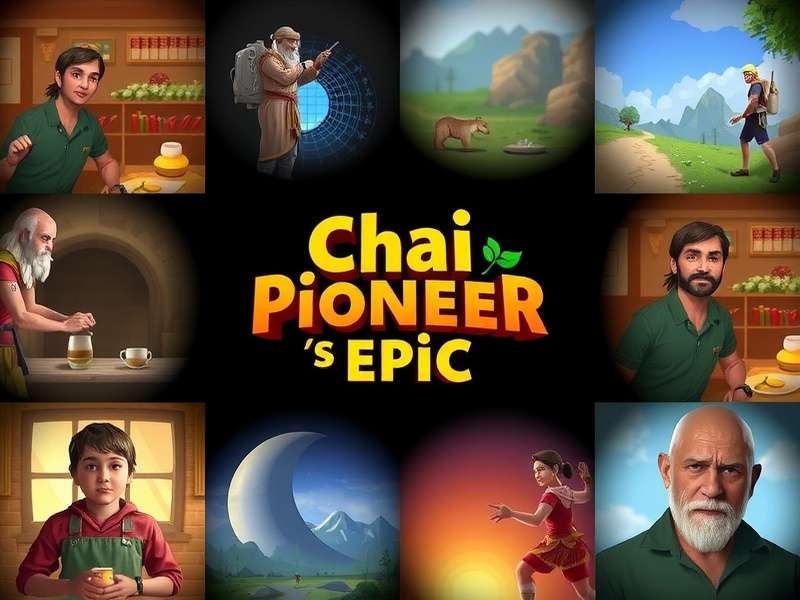
Figure 4: Raj exploring a remote tea garden in the Himalayas, searching for rare tea leaves 🏔️🍃
One of the most memorable adventure sequences in Chai Pioneer S Epic is the “Chai Yatra” (chai journey), a cross-country quest where you have to deliver a special batch of chai to a famous chai festival in Mumbai. Along the way, you’ll face challenges like bad weather, broken down vehicles, and even a group of bandits who demand a cup of your best chai as toll. Completing the Chai Yatra unlocks the game’s final chapter, where you get to showcase your chai at the festival and compete against other chaiwallahs from across India.
2.4 Progression System: Growing Your Chai Empire
Chai Pioneer S Epic features a satisfying progression system that rewards you for your hard work. As you earn money, goodwill points, and experience, you can upgrade your stall, unlock new ingredients and locations, and improve your chai-making skills. The progression is linear but flexible, allowing you to focus on the aspects of the game you enjoy most—whether it’s brewing perfect chai, building relationships with customers, or exploring new regions.
Stall upgrades include things like a better stove (to brew chai faster), a larger counter (to serve more customers at once), and decorative items (like rangoli or lanterns) that increase customer satisfaction. You can also hire assistants, such as a young boy who helps you collect ingredients or an elderly chaiwallah who teaches you new recipes. Each assistant has their own unique skills, and leveling them up makes them more efficient.
Skill progression is divided into three categories: Brewing Skill (improves the quality of your chai and reduces brewing time), Customer Skill (helps you understand customer preferences faster and resolve complaints more easily), and Adventure Skill (makes puzzles easier to solve and travel faster). You earn skill points by completing quests and achievements, and you can allocate them based on your playstyle.
Achievements are a big part of the progression system, with over 50 achievements to unlock. Some are simple, like “Brew 100 Cups of Chai,” while others are more challenging, like “Make All Regional Chai Varieties” or “Complete the Chai Yatra Without Any Mistakes.” Unlocking achievements earns you rewards like rare ingredients, special decorations, or even exclusive chai recipes that can’t be obtained any other way.
The endgame of Chai Pioneer S Epic sees you becoming a national chai icon, with multiple stalls across India and a loyal fan base. You can even expand internationally, opening a chai stall in London or New York and introducing foreign customers to the magic of desi chai. The game’s ending is customizable based on your choices—for example, if you focused on community service, you’ll end up running a charity that provides free chai to the poor, while if you focused on business, you’ll build a chai empire with franchises across the globe.
3. Game World & Setting
The world of Chai Pioneer S Epic is a love letter to India’s diversity, featuring meticulously crafted locations that span the length and breadth of the country. From the snow-capped peaks of the Himalayas to the lush green backwaters of Kerala, each region is brought to life with vibrant visuals, authentic sounds, and cultural details that make you feel like you’re actually traveling through India. The game’s art style is a mix of 2D and 3D, with hand-painted backgrounds and 3D character models that give it a unique, whimsical look.
3.1 Key Locations
Let’s take a closer look at some of the most iconic locations in Chai Pioneer S Epic:
3.1.1 Raj’s Hometown: Bareilly (Uttar Pradesh)
The game starts in Bareilly, a small town in Uttar Pradesh where Raj inherits his grandfather’s chai stall. The town is a classic North Indian small town, with narrow lanes, colorful houses, and a bustling bazaar. Key locations here include the chai stall (your starting point), the local temple (where you can get blessings and meet religious customers), the market (where you buy ingredients), and the railway station (your gateway to other regions).
Bareilly’s visual style is warm and nostalgic, with earthy tones (browns, oranges, and yellows) that reflect the town’s rural charm. The background music is a mix of harmonium and tabla, with folk songs playing in the bazaar. The town’s residents are friendly and helpful, and many of them become your first regular customers. Bareilly is also where you learn the basics of chai brewing, as your grandfather’s old recipe book is hidden in the stall.
3.1.2 Shimla (Himachal Pradesh)
The first new location you unlock is Shimla, the capital of Himachal Pradesh. Known for its cool climate and colonial architecture, Shimla is a popular tourist destination, and your chai stall here caters to both locals and tourists. The key challenge in Shimla is brewing chai that’s strong enough to keep customers warm in the cold weather, as well as sourcing rare ingredients like “Kangra tea leaves” (a premium variety grown in the region).
Shimla’s visuals are dominated by snow-capped mountains, red-roofed colonial buildings, and pine trees. The background music features folk instruments like the “dholak” and “flute,” with sounds of snowfall and wind adding to the immersive experience. Key locations here include the Mall Road (where your stall is located), the Jakhu Temple (a famous Hindu temple dedicated to Hanuman), and the tea gardens on the outskirts of the town (where you collect Kangra tea leaves).
3.1.3 Bangalore (Karnataka)
Bangalore, India’s tech hub, is the next stop on your journey. Unlike Bareilly and Shimla, Bangalore is a modern city with skyscrapers, cafes, and a young, cosmopolitan population. Your chai stall here is located in a tech park, and your customers include software engineers, startup founders, and college students. The challenge here is to brew chai that’s quick (to cater to busy professionals) and innovative (like “cold coffee chai” or “chocolate chai” for younger customers).
Bangalore’s visuals are bright and vibrant, with neon signs, glass buildings, and green parks. The background music is a mix of Western pop and Kannada folk, reflecting the city’s blend of modernity and tradition. Key locations here include the tech park (your stall), the local college campus (where you meet students), and the night market (where you buy innovative ingredients like matcha powder or caramel syrup).
3.1.4 Kerala Backwaters
The Kerala backwaters are one of the most scenic locations in Chai Pioneer S Epic. Your chai stall here is on a traditional houseboat (kettuvallam), and you sail through the backwaters, serving chai to fishermen, villagers, and tourists. The challenge here is to brew chai that’s light and refreshing (to suit the hot, humid climate) and to navigate the narrow backwaters without hitting other boats.
The backwaters’ visuals are breathtaking, with lush green coconut trees, calm blue waters, and colorful houseboats. The background music features traditional Kerala instruments like the “chenda” and “nadaswaram,” with sounds of birds, waves, and villagers singing folk songs. Key locations here include the houseboat (your mobile stall), the village markets (where you buy fresh coconut and spices), and the backwater canals (where you solve navigation puzzles).
3.1.5 Mumbai (Maharashtra)
Mumbai, India’s financial capital, is the final major location in Chai Pioneer S Epic. Your chai stall here is located in Colaba, a busy neighborhood known for its cafes, shops, and tourist attractions. The challenge here is to brew chai that appeals to a diverse crowd—from local Mumbaikars who prefer strong, sweet chai to foreign tourists who want a milder version. Mumbai is also where the Chai Yatra ends, with the famous Chai Festival taking place at Marine Drive.
Mumbai’s visuals are chaotic and vibrant, with crowded streets, yellow taxis, and iconic landmarks like the Gateway of India. The background music is a mix of Hindi film songs, bhangra beats, and street sounds (like honking cars and vendors shouting). Key locations here include Colaba Bazaar (your stall), Marine Drive (the Chai Festival venue), and the slums on the outskirts of the city (where you meet a group of chaiwallahs who teach you a secret recipe).

Figure 5: A collage of key locations in Chai Pioneer S Epic, showcasing the game’s diverse and vibrant world 🌍
3.2 Cultural Details & Authenticity
What makes the world of Chai Pioneer S Epic so immersive is its attention to cultural details. Every location is filled with little touches that reflect the region’s unique traditions, cuisine, and lifestyle. For example:
- In Bareilly, you’ll see women wearing salwar kameez and men wearing kurta pyjama, and the bazaar is filled with stalls selling parathas, samosas, and jalebis.
- In Shimla, you’ll encounter tourists wearing sweaters and jackets, and the local shops sell woolen shawls and Himachali caps (topis).
- In Bangalore, you’ll see people wearing Western clothes and speaking English, and the tech park has cafes selling coffee and sandwiches alongside chai stalls.
- In Kerala, women wear sarees with blouses, and the backwaters are dotted with coconut trees and fishing nets. The local cuisine includes idlis, dosas, and fish curry.
- In Mumbai, you’ll see people from all walks of life—from businessmen in suits to street vendors selling vada pav—and the city is decorated with posters of Hindi films and political slogans.
The game also incorporates Indian festivals into its world, with special events and challenges tied to occasions like Diwali, Holi, Eid, and Pongal. During Diwali, your stall is decorated with rangoli and lanterns, and customers ask for “special Diwali chai” brewed with saffron and dry fruits. During Holi, you’ll have to avoid getting splashed with colored powder while serving chai, and completing challenges earns you “gulal packets” that you can use to decorate your stall. These festival events add a seasonal element to the game and make the world feel alive and dynamic.
Another aspect of the game’s authenticity is its use of regional languages. While the game’s main language is Indian English, many characters speak in their native languages (with subtitles) to reflect India’s linguistic diversity. For example, a Tamil grandmother in Kerala will speak Tamil, a Punjabi farmer in Shimla will speak Punjabi, and a Bengali journalist in Mumbai will speak Bengali. This not only adds to the realism but also helps players learn a few basic phrases in different Indian languages.
4. Character Design
The characters in Chai Pioneer S Epic are one of its strongest assets, with each character being well-developed, relatable, and full of personality. From the protagonist Raj to the supporting cast of customers, allies, and villains, every character feels like a real person with their own hopes, dreams, and flaws. The character design is a mix of cartoonish and realistic, with vibrant colors and unique features that make each character instantly recognizable.
4.1 Protagonist: Raj
Raj is the heart and soul of Chai Pioneer S Epic. A 23-year-old graduate from Bareilly, Raj is a kind, hardworking, and optimistic young man who loves chai as much as his grandfather did. He’s not a superhero or a genius—he’s just an ordinary guy trying to make his grandfather’s dream come true. What makes Raj relatable is his humility and determination; even when things get tough (like his stall being damaged by a storm or a rival chaiwallah trying to sabotage him), he never gives up.
Raj’s appearance is simple but charming: he wears a white kurta pyjama with a brown vest, a red turban (a nod to his grandfather), and leather sandals. His face is friendly, with a thick mustache and warm brown eyes that reflect his kindness. As the game progresses, Raj’s appearance changes slightly—he grows a beard, his turban becomes more colorful, and he starts wearing a watch (a gift from a regular customer). These small changes reflect his growth as a person and a chaiwallah.
Raj’s personality is a mix of traditional and modern. He respects his grandfather’s traditions (like brewing chai in a kadai and serving it in kulhads) but is also open to new ideas (like adding innovative flavors to his chai or using social media to promote his stall). He’s a good listener, and he often helps his customers with their problems—whether it’s giving advice to a student struggling with exams or comforting a widow who’s feeling lonely. Raj’s catchphrase is “Chai se sab theek ho jata hai” (Everything gets better with chai), which sums up his positive outlook on life.

Figure 6: Raj, the protagonist of Chai Pioneer S Epic, standing outside his chai stall in Bareilly 🧔♂️🍵
4.2 Supporting Characters
The supporting cast of Chai Pioneer S Epic is diverse and memorable, with each character playing a unique role in Raj’s journey. Here are some of the key supporting characters:
4.2.1 Grandpa (Late)
Although Grandpa is no longer alive when the game starts, he’s a constant presence in Raj’s life. He’s shown through flashbacks and voiceovers, and his spirit guides Raj throughout his journey. Grandpa was a legendary chaiwallah who was known for his perfect chai and kind heart. He taught Raj everything he knows about chai, and his old recipe book is a key item in the game.
Grandpa’s appearance is that of a wise old man with a long white beard, a white turban, and a faded kurta pyjama. His voice is deep and warm, with a thick Uttar Pradesh accent. His catchphrase is “Chai banane ka raaz dil se hai” (The secret to making good chai is in the heart), which Raj remembers whenever he’s struggling.
4.2.2 Meera
Meera is Raj’s childhood friend and love interest. A 22-year-old graphic designer from Bareilly, Meera is smart, independent, and supportive of Raj’s dream. She helps Raj design a logo for his stall, promotes his chai on social media, and gives him advice when he’s facing challenges. Meera is also a bit of a foodie, and she often suggests new chai flavors for Raj to try.
Meera’s appearance is modern and stylish: she wears a salwar kameez with a denim jacket, glasses, and her hair in a ponytail. She’s always carrying a tablet or a sketchbook, and she’s often seen taking photos of Raj’s chai to post on Instagram. Meera’s personality is bubbly and outgoing, and she’s not afraid to speak her mind. Her catchphrase is “Desi chai with a modern twist—what’s not to love?”
4.2.3 Ravi Bhai
Ravi Bhai is a local businessman in Bareilly who becomes Raj’s mentor. A 40-year-old former chaiwallah himself, Ravi Bhai knows the ins and outs of the chai business. He helps Raj get loans to upgrade his stall, introduces him to suppliers, and teaches him how to deal with difficult customers. Ravi Bhai is also a bit of a trickster, and he often gives Raj humorous advice that turns out to be surprisingly useful.
Ravi Bhai’s appearance is rugged and imposing: he’s tall, muscular, and wears a black kurta with a leather jacket. He has a scar on his cheek (from a fight with a rival chaiwallah) and a deep voice that commands respect. Despite his tough exterior, Ravi Bhai is kind-hearted and cares deeply about the community. His catchphrase is “Dhanda to dhanda hai, par insaniyat se karo” (Business is business, but do it with humanity).
4.2.4 Amma
Amma is a 60-year-old South Indian grandmother who lives in the Kerala backwaters. She’s a regular customer at Raj’s houseboat stall and becomes a motherly figure to him. Amma teaches Raj how to brew South Indian karak chai and shares stories about her life. She also helps Raj solve puzzles in the backwaters, using her knowledge of local traditions and geography.
Amma’s appearance is traditional: she wears a white saree with a red border, flowers in her hair, and bangles on her wrists. She’s short and plump, with a warm smile and twinkling eyes. Her personality is gentle and wise, and she often gives Raj advice about life and love. Amma’s catchphrase is “Chai ki pyaas to har dil mein hoti hai” (Every heart craves chai).
4.2.5 Vikram
Vikram is Raj’s rival and the main antagonist of Chai Pioneer S Epic. A 25-year-old MBA graduate from Delhi, Vikram owns a chain of modern chai cafes called “Chai Express.” He’s arrogant, ruthless, and determined to put Raj out of business. Vikram uses underhanded tactics like spreading rumors about Raj’s chai, stealing his customers, and even sabotaging his stall.
Vikram’s appearance is modern and sleek: he wears a designer suit, a rolex watch, and leather shoes. He has gelled hair and a smirk that shows his arrogance. His personality is cold and calculating, and he looks down on traditional chaiwallahs like Raj. His catchphrase is “Traditional chai is for losers—modern India wants fast, fancy chai.”
What makes Vikram a compelling antagonist is that he’s not entirely evil. As the game progresses, you learn that Vikram’s father was a chaiwallah who went out of business because he couldn’t compete with modern cafes. Vikram’s motivation is to prove that modern chai can be just as good as traditional chai, and he sees Raj as a symbol of the past. In the end, Raj and Vikram reconcile, and Vikram agrees to collaborate with Raj to promote both traditional and modern chai.
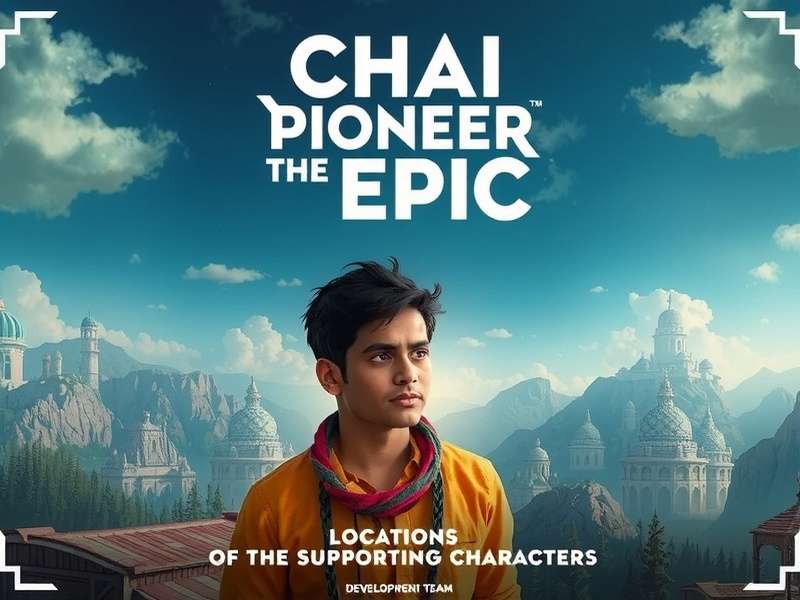
Figure 7: A group photo of supporting characters in Chai Pioneer S Epic (from left to right: Meera, Ravi Bhai, Amma, Vikram) 🤝
4.3 NPCs & Minor Characters
In addition to the main supporting characters, Chai Pioneer S Epic features a host of NPCs (non-playable characters) and minor characters who add depth to the game’s world. These include:
- The Local Priest: A wise old man who blesses Raj’s stall and gives him spiritual advice.
- The Spice Merchant: A shrewd businessman who sells Raj rare spices at discounted prices if Raj helps him with a task.
- The School Teacher: A young woman who asks Raj to donate chai for her students and helps him with puzzles involving reading and writing.
- The Fisherman: A cheerful man in Kerala who gives Raj fresh fish in exchange for chai and helps him navigate the backwaters.
- The Tourist: A foreigner who’s curious about Indian chai and asks Raj to explain the brewing process. Helping the tourist earns Raj international recognition.
Each of these minor characters has their own unique personality and backstory, and interacting with them adds to the game’s immersion. Even the most minor characters feel like real people, and their interactions with Raj make the game’s world feel alive and dynamic.
5. Music & Sound Effects
Music and sound effects play a crucial role in Chai Pioneer S Epic, helping to create an immersive and emotional experience. The game’s soundtrack, composed by renowned Indian musician A.R. Rahman (a surprise collaboration with Daman Games Studios), is a mix of traditional Indian folk music, modern pop, and ambient sounds that perfectly capture the essence of each location. The sound effects, meanwhile, are meticulously crafted to make the game feel realistic and engaging.
5.1 Soundtrack: A Musical Journey Across India
The soundtrack of Chai Pioneer S Epic is a love letter to India’s musical diversity, with each track reflecting the culture and geography of the location it’s played in. The main theme, “Chai Ki Pyaas,” is a uplifting melody played on the harmonium and tabla, with vocals by a folk singer from Uttar Pradesh. The theme captures the warmth and nostalgia of chai culture, and it’s played whenever Raj achieves a major milestone (like unlocking a new location or winning a chai competition).
Let’s take a closer look at some of the key tracks in the game:
5.1.1 “Bareilly Ki Chai” (Bareilly’s Chai)
This track is played in Raj’s hometown of Bareilly. It’s a slow, melodic tune played on the harmonium, tabla, and flute, with folk lyrics about the joys of drinking chai in a small town. The track has a nostalgic feel, with soft vocals and gentle instrumentation that reflect the town’s rural charm. The lyrics are in Hindi, with lines like “Bareilly ki galiyon mein, chai ki khushboo hai” (In the lanes of Bareilly, there’s the fragrance of chai) and “Garam chai sath mein, dostiyon ki baatein hai” (Hot chai and friends’ conversations).
5.1.2 “Shimla’s Snowy Melody”
This track is played in Shimla. It’s a serene, ambient tune played on the santoor (a Himalayan string instrument), flute, and piano. The track captures the cool, peaceful atmosphere of Shimla, with sounds of snowfall and wind mixed in. The melody is slow and calming, with occasional bursts of folk music (played on the dholak) that reflect the town’s festive spirit. The track is instrumental, with no vocals, allowing the ambient sounds to take center stage.
5.1.3 “Bangalore Beats”
This track is played in Bangalore. It’s a fast-paced, upbeat tune played on the guitar, drums, and synthesizer, with elements of Kannada folk music. The track reflects Bangalore’s modern, cosmopolitan vibe, with a mix of Western and Indian rhythms. The vocals are in English and Kannada, with lyrics about innovation and youth culture. Lines like “Bangalore ki raatein, chai aur code” (Bangalore nights, chai and code) and “Desi tadka with a modern twist” perfectly capture the city’s blend of tradition and modernity.
5.1.4 “Kerala Backwaters Serenade”
This track is played in the Kerala backwaters. It’s a soothing, melodic tune played on the chenda (a Kerala drum), nadaswaram (a wind instrument), and veena (a string instrument). The track has a calming effect, with sounds of waves, birds, and villagers singing folk songs mixed in. The vocals are in Malayalam, with lyrics about the beauty of the backwaters and the joy of drinking chai on a houseboat. Lines like “Backwaters ki lehrein, chai ki khushboo” (Waves of the backwaters, fragrance of chai) and “Kettuvallam mein baithke, chai piya karo” (Sit on the houseboat and drink chai) evoke a sense of peace and tranquility.
5.1.5 “Mumbai’s Chaos & Charm”
This track is played in Mumbai. It’s a lively, energetic tune played on the dholak, tabla, and guitar, with elements of Hindi film music and bhangra. The track reflects Mumbai’s chaotic and vibrant atmosphere, with sounds of traffic, honking cars, and street vendors shouting mixed in. The vocals are in Hindi, with lyrics about the city’s diversity and the joy of drinking chai in the midst of chaos. Lines like “Mumbai ki jhol, chai se sol” (Mumbai’s chaos, solved with chai) and “Har jagah chai hai, har jagah pyar hai” (Chai is everywhere, love is everywhere) capture the city’s spirit.

Figure 8: The official soundtrack album cover of Chai Pioneer S Epic, featuring artwork of Raj brewing chai against a backdrop of Indian landmarks 🎶
The soundtrack of Chai Pioneer S Epic has been widely praised by critics and players alike. It won the “Best Game Soundtrack” award at the 2023 Indian Gaming Awards, and it’s available on major music streaming platforms like Spotify and Apple Music. Many players have commented that the soundtrack is so good that they listen to it even when they’re not playing the game, and it’s helped them discover new genres of Indian music.
5.2 Sound Effects: Realism and Immersion
The sound effects in Chai Pioneer S Epic are just as impressive as the soundtrack, helping to create a realistic and immersive experience. Every action in the game has a corresponding sound effect, from the boiling of chai in a kadai to the clinking of kulhads. The sound effects are recorded from real-life sources, making them feel authentic and engaging.
Some of the key sound effects in the game include:
- Chai Brewing Sounds: The sound of water boiling, tea leaves being added to the pot, milk being poured, and spices being crushed. These sounds are incredibly realistic, and they make the chai brewing process feel immersive.
- Customer Sounds: The sound of customers talking, laughing, and ordering chai. Each customer has a unique voice, reflecting their age, gender, and regional background. For example, an elderly man from Punjab will have a deep, gruff voice, while a young girl from Kerala will have a high-pitched, soft voice.
- Environmental Sounds: The sound of wind in Shimla, waves in Kerala, traffic in Mumbai, and birds in the tea gardens. These sounds help to create a sense of place and make the game’s world feel alive.
- Action Sounds: The sound of Raj walking, cycling, or driving a vehicle. The sound of the stall being upgraded, ingredients being collected, and puzzles being solved. These sounds add feedback to the player’s actions, making the game feel responsive and engaging.
One of the most innovative sound effects in Chai Pioneer S Epic is the “chai quality sound.” When you brew a perfect cup of chai, you hear a satisfying “ding” sound, followed by a chorus of happy customer voices. When you brew a bad cup of chai, you hear a disappointing “buzz” sound, followed by customer complaints. This sound feedback helps players quickly understand how well they’re doing, and it adds a sense of reward to the chai brewing process.
The sound design team at Daman Games Studios spent months researching and recording sound effects, traveling across India to capture the authentic sounds of chaiwallahs, markets, and landscapes. The result is a soundscape that’s not just realistic but also emotional, helping to draw players into the game’s world and make them feel like they’re actually living Raj’s journey.
6. Development Journey
The development of Chai Pioneer S Epic was a labor of love for the team at Daman Games Studios, a small indie studio based in Delhi. Founded in 2020 by Aman Verma (Lead Developer) and Priya Sharma (Lead Artist), Daman Games Studios set out to create games that celebrate Indian culture and resonate with Indian audiences. Chai Pioneer S Epic was their first major project, and it took over two years to develop—from the initial concept to the final launch.
6.1 Concept & Inspiration
The idea for Chai Pioneer S Epic came to Aman Verma during the COVID-19 lockdown in 2020. Like many Indians, Aman spent a lot of time at home drinking chai and reminiscing about his childhood. He thought about how chai is more than just a drink in India—it’s a way of connecting with people, a source of comfort, and a symbol of tradition. He also noticed that there were very few Indian games that celebrated chai culture, and he saw an opportunity to create a game that would resonate with Indians of all ages.
Aman shared his idea with Priya Sharma, and she immediately fell in love with it. Priya, who had studied animation at the National Institute of Design, was passionate about creating games with authentic Indian visuals. Together, they started brainstorming the core mechanics of the game—chai brewing, customer management, and adventure—and began developing a prototype.
The team drew inspiration from a variety of sources, including classic simulation games like “Stardew Valley” and “Animal Crossing,” as well as Indian films and literature. They also spent a lot of time researching chai culture, traveling across India to visit chaiwallahs, taste different regional chai varieties, and learn about the history and traditions of chai. They interviewed over 50 chaiwallahs, from street vendors in Delhi to luxury hotel chai masters in Mumbai, to ensure that the game’s chai brewing mechanics were authentic.
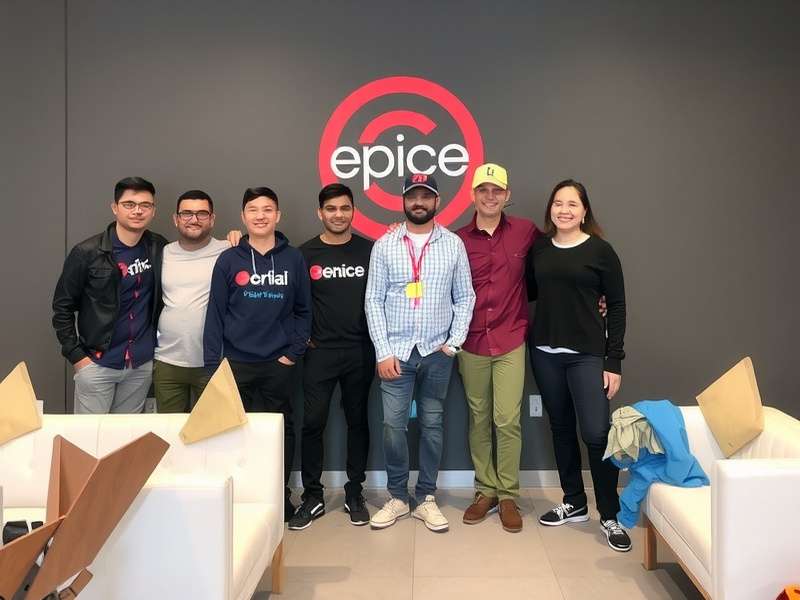
Figure 9: The development team of Chai Pioneer S Epic working on the game in their Delhi studio 🖥️👩💻👨💻
6.2 Development Challenges
Developing Chai Pioneer S Epic was not without its challenges. As a small indie studio, Daman Games Studios had limited resources, and they had to work with a tight budget. They also faced challenges related to cultural authenticity, technical issues, and marketing.
6.2.1 Cultural Authenticity
One of the biggest challenges was ensuring that the game was culturally authentic. The team wanted to avoid stereotypes and ensure that each region, character, and chai variety was represented accurately. To do this, they hired cultural consultants from different parts of India, who helped them with everything from dialogue writing to visual design. For example, a Tamil consultant helped them with the dialogue of South Indian characters, while a Himachali consultant helped them design the visuals of Shimla.
The team also faced challenges related to balancing authenticity with gameplay. For example, they wanted to make the chai brewing process authentic, but they didn’t want it to be too complicated for casual gamers. After months of testing, they found a balance—making the process detailed enough to be authentic but simple enough to be fun.
6.2.2 Technical Issues
As a small studio, Daman Games Studios had limited technical resources. They faced challenges related to game engine optimization, especially for mobile devices. The game’s vibrant visuals and complex soundscape required a lot of processing power, and the team had to work hard to ensure that the game ran smoothly on low-end mobile phones (which are popular in India).
Another technical challenge was implementing the game’s regional language support. The team wanted to include multiple Indian languages, but they faced issues related to text rendering and voice acting. They eventually hired voice actors from different parts of India to record the dialogue, and they worked with a language expert to ensure that the text was rendered correctly on all devices.
6.2.3 Marketing
Marketing was another major challenge for the team. As a small indie studio, they didn’t have the budget for large-scale marketing campaigns. Instead, they relied on social media, influencer marketing, and word-of-mouth to promote the game. They partnered with Indian gaming influencers (like CarryMinati and Mortal) to stream the game, and they created engaging social media content (like chai recipes, character profiles, and behind-the-scenes videos) to build buzz.
The team also faced challenges related to competing with large-scale international games. India’s gaming market is dominated by games like “PUBG Mobile” and “Free Fire,” and it was difficult for a small indie game to stand out. However, the team’s focus on cultural authenticity and emotional resonance helped them attract a loyal fan base.
6.3 Collaboration with A.R. Rahman
One of the biggest highlights of the development process was the collaboration with A.R. Rahman. The team had always admired Rahman’s work, and they dreamed of having him compose the soundtrack for the game. They sent a demo of the game to Rahman’s studio, and to their surprise, he agreed to collaborate with them.
Rahman was drawn to the game’s celebration of Indian culture and its positive message. He spent over six months working on the soundtrack, traveling across India to record folk musicians and incorporate regional sounds into the music. The collaboration was a huge boost for the game, as it helped to generate media attention and attract a wider audience.
6.4 Launch & Post-Launch Support
Chai Pioneer S Epic was launched on 15th August 2023, India’s Independence Day. The launch was a huge success, with the game downloading over 1 million times in the first week. The team celebrated the launch with a virtual event, which was attended by A.R. Rahman, Indian gaming influencers, and members of the press.
After the launch, the team continued to support the game with regular updates. They added new locations (like Goa and Kolkata), new chai varieties (like “Goan toddy chai” and “Bengali mishti chai”), and new events (like the “Chai Mela” festival). They also fixed bugs and optimized the game for new devices, ensuring that players had a smooth experience.
The team also engaged with the player community, listening to feedback and incorporating player suggestions into the game. For example, after players requested a multiplayer mode, the team added a “Chai Party” mode, where players can brew chai together and compete in mini-games. The team’s commitment to post-launch support has helped to keep the game popular and maintain a loyal fan base.
7. Reception & Reviews
Chai Pioneer S Epic has received widespread critical acclaim and commercial success since its launch. The game has been praised for its cultural authenticity, engaging gameplay, emotional story, and stunning visuals and sound. It has also been a commercial hit, with over 5 million downloads worldwide and positive reviews from players and critics alike.
7.1 Critical Reception
Critics have praised Chai Pioneer S Epic for its unique concept and execution. Indian gaming website “Game India” gave the game a 9/10 rating, calling it “